Explore the cities of Syria, where thousands of years of history are woven into streets, markets, monuments, places of worship, and everyday life. From ancient centers of civilization to vibrant modern communities, each city has its own distinctive heritage and story.
Damascus
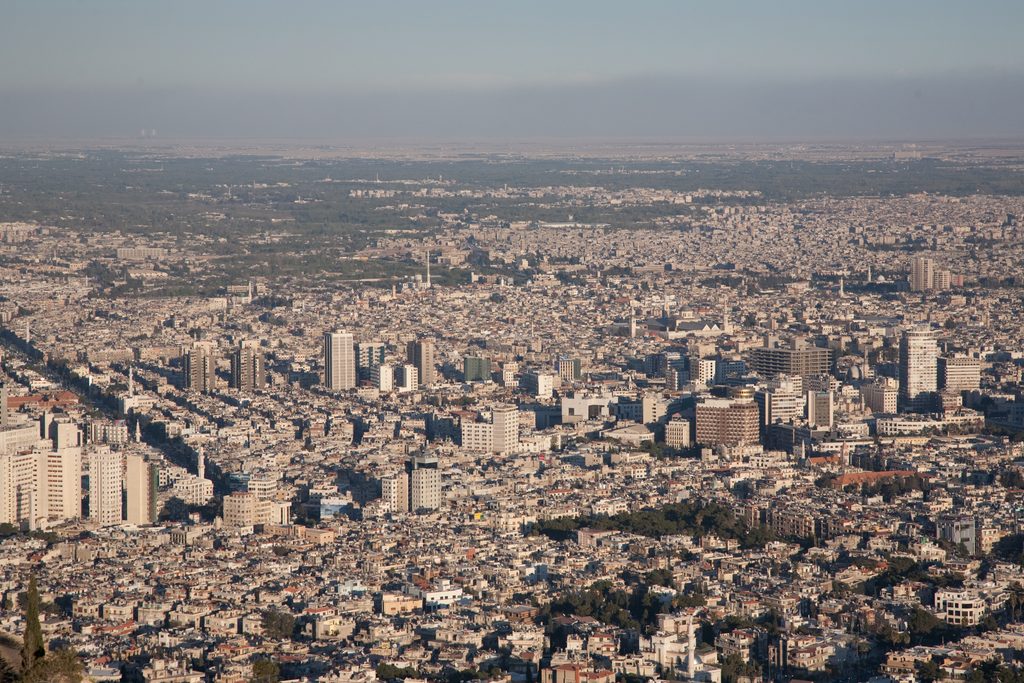
Damascus, one of the world’s oldest continuously inhabited cities, has been a centre of culture, trade, religion, and political life for thousands of years. Its historic streets, markets, mosques, churches, houses, and monuments reflect the many civilizations that have shaped the city.
Aleppo
Aleppo is one of Syria’s oldest and most historically significant cities. For centuries it flourished as a center of trade linking the Mediterranean with Mesopotamia and lands further east. Its ancient Citadel, traditional souks, religious buildings, courtyard houses, and historic neighborhoods reflect the many cultures and communities that have shaped the city.
Homs
Homs, situated in central Syria, has long been an important crossroads connecting different regions of the country. With a history stretching back thousands of years, the city is known for its historic neighborhoods, religious landmarks, traditional architecture, and diverse cultural heritage.
Hama
Hama, situated on the banks of the Orontes River, is one of Syria’s historic cities. It is especially known for its large wooden waterwheels (Noria), which have become enduring symbols of the city. Hama’s old neighborhoods, traditional architecture, markets, and riverside setting reflect its long and distinctive heritage.
Latakia
Latakia, situated on Syria’s Mediterranean coast, is a historic port city with roots stretching back to antiquity. Its heritage reflects centuries of maritime trade and cultural exchange, while the surrounding region is known for its coastal landscapes, mountains, archaeological sites, and traditional communities.
Bosra
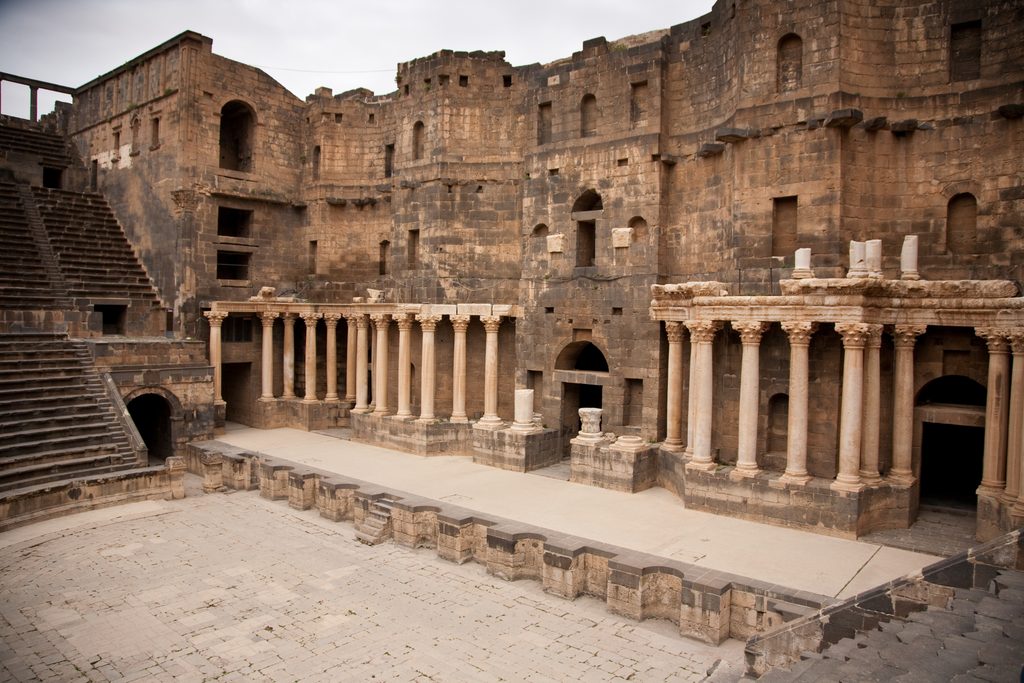
Bosra, in southern Syria, is one of the country’s most remarkable historic cities. Once an important centre on ancient trade routes and later the capital of the Roman province of Arabia, the city preserves an extraordinary collection of archaeological remains. Its most celebrated landmark is the magnificent Roman theatre, alongside ancient streets, churches, mosques, and buildings reflecting many centuries of Syrian history.
Deir ez-Zor
Deir ez-Zor, situated on the Euphrates River in eastern Syria, has long been an important centre connecting communities along the river and the surrounding region. The city’s heritage is closely linked to the Euphrates, agriculture, trade, and the cultures of eastern Syria. Its traditional neighborhoods and distinctive riverside setting form an important part of Syria’s diverse cultural landscape.
Tartus
Tartus, situated on Syria’s Mediterranean coast, is a historic port city with a maritime heritage stretching back to antiquity. The city and its surrounding region preserve traces of many civilizations, including Phoenician, Greek, Roman, Byzantine, and medieval influences. Its old streets, coastal setting, historic buildings, and nearby archaeological sites reflect the rich cultural heritage of Syria’s Mediterranean coast.
Idlip
Idlib, situated in northwestern Syria, lies within a region rich in history, agriculture, and archaeological heritage. The surrounding countryside is known for its olive groves, traditional villages, and numerous ancient settlements. Together, the city and its wider region reflect the long history and distinctive cultural landscape of northwestern Syria.
Raqqa
Raqqa, situated on the Euphrates River in northern Syria, has a history stretching back to antiquity. The city became particularly important during the early Islamic period, when it developed into a significant centre of administration, trade, and culture. Its archaeological remains and historic sites reflect Raqqa’s long connection with the Euphrates and its important place in Syria’s cultural heritage.
Al-Suwayda
Al-Suwayda, situated in southern Syria in the historic region of Jabal al-Druze, has a rich cultural and archaeological heritage stretching back to antiquity. The city and its surrounding region preserve important remains from the Nabataean, Roman, Byzantine, and later periods, including temples, churches, traditional stone houses, and ancient settlements. Built largely from the distinctive dark basalt of the region, As-Suwayda reflects the history, architecture, and enduring traditions of southern Syria.
Daraa
Daraa, situated in southern Syria near the border with Jordan, is one of the historic centres of the fertile Hauran region. The city and its surroundings have been inhabited since antiquity and developed along important routes connecting Syria with Arabia and Palestine. Archaeological remains, traditional basalt architecture, ancient settlements, and the agricultural landscape of the Hauran reflect the region’s long history and Daraa’s important place within the cultural heritage of southern Syria.
Al-Hasakah
Al-Hasakah, situated in northeastern Syria, lies within the fertile region between the Khabur and Jaghjagh rivers. The city and its surrounding area form part of the historic landscape of Upper Mesopotamia, a region that has witnessed human settlement and cultural exchange for thousands of years. Its heritage reflects the diverse communities of northeastern Syria as well as the rich archaeological landscape of the Khabur basin.
Al-Qamishli
Al-Qamishli, located in northeastern Syria near the Turkish border, developed as an important urban and commercial centre during the twentieth century. The city is distinguished by its cultural diversity and the traditions of the different communities that have contributed to its character and identity. Together with the surrounding towns, villages, and archaeological landscape of the Jazira region, Al-Qamishli represents an important part of Syria’s modern cultural heritage.