Ugarit, located at Ras Shamra on Syria’s Mediterranean coast near Lattakia, was one of the most important cities of the Late Bronze Age, reaching its height between the 14th and early 12th centuries BC. Its modern archaeological discovery began in 1928, when a local farmer accidentally uncovered an ancient tomb at Minet el-Beida, the site of Ugarit’s harbour. This discovery led to systematic excavations in 1929, directed by the French archaeologist Claude F.-A. Schaeffer, with Georges Chenet, following the initiative of René Dussaud, curator of Oriental Antiquities at the Louvre Museum.
Schaeffer directed excavations at Ras Shamra and Minet el-Beida until 1969, apart from an interruption during the Second World War. These investigations uncovered temples, palaces, tombs, sculptures, precious objects, and thousands of cuneiform tablets, including texts written in the distinctive Ugaritic alphabet. The discoveries transformed our understanding of ancient Syrian civilisation, religion, literature, international trade, and the development of alphabetic writing.
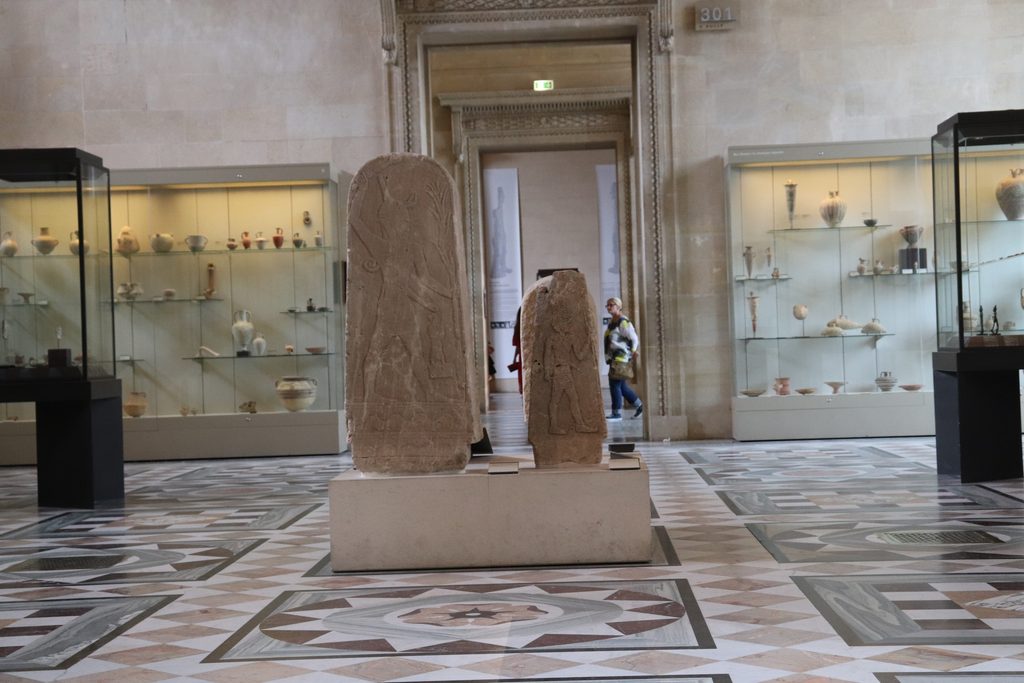
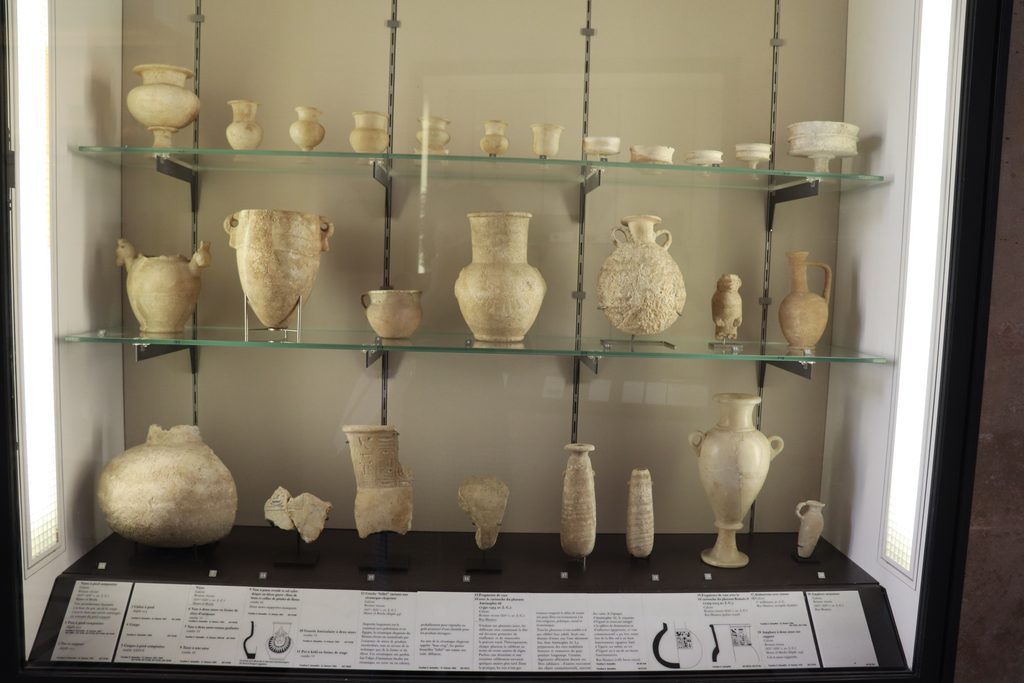
The Louvre Museum in Paris preserves a significant collection of artefacts from these early excavations, including religious sculptures, decorated vessels, ivories, and other objects associated with the kingdom of Ugarit. This gallery presents selected artefacts photographed at the Louvre, reconnecting them with their archaeological origins and the history of their discovery.
Ugaritic Artefacts